Jio IPO: Indian phones used 37 GB of data a month in 2025, beating North America
Published
Ericsson puts India ahead of North America (25 GB) and the region that includes China (23 GB). Jio's users averaged 43.7 GB in April to June 2026. What that says about Jio, cheap data and Digital India, with every year flagged.
Original report · Explained
Data as of Jio's results for April to June 2026 and the Ericsson Mobility Report 2026, read on 19 October 2026. This article is for information only and is not investment advice. Readers should consult a registered adviser before investing.
Indians used 37 GB of mobile data per smartphone a month in 2025, against 25 GB in North America and 23 GB in North East Asia, the region that includes China, the Ericsson Mobility Report 2026 says (Ericsson, 2026). Jio's own users went further: 43.7 GB a month in the April to June 2026 quarter, Jio reported (Inc42, 2026).
That is the data story behind the Jio IPO, which opens on 21 October 2026, Business Today reported (Business Today, 2026). Most coverage is about valuation. This explainer answers what people search for instead: how much data Indians use, why it is cheap, and how big Jio has become.
How much data do Indians use a month?
Indians used 37 GB per smartphone a month in 2025, the highest of the regions Ericsson tracks; the global average was 22 GB (Ericsson, 2026; Telecom Lead, 2026).
- India: 37 GB (2025)
- North America: 25 GB (2025)
- North East Asia, including China: 23 GB (2025)
- Jio users: 43.7 GB (April to June 2026, Jio's own figure)
On those numbers, India's smartphones use 48% more data than North America's (12 ÷ 25) and 61% more than North East Asia's (14 ÷ 23). Ericsson expects the gap to hold: by 2031 it forecasts 70 GB in India, 52 GB in North America and 45 GB in North East Asia (Telecom Lead, 2026).
The Jio figure is a different year and a different measure, per user rather than per smartphone, so read it beside the others, not against them.
Does India use more data than China and the USA?
Per phone, yes; in total, not yet. Ericsson does not publish separate figures for China or the USA, only for regions (Ericsson, 2026).
India's networks carried 30 EB (exabytes) a month in 2025, up from 24 EB in 2024. North East Asia carried 44 EB and North America 11 EB (Ericsson, 2026). So India moved nearly three times North America's monthly traffic, but still less than the region that includes China, Japan and Korea.
One operator shows the scale. Jio carried 69.4 EB in the April to June 2026 quarter, up 26.9% on a year earlier (Inc42, 2026). If that is a quarterly figure, as reported, it is about 23 EB a month (69.4 ÷ 3), double North America's 2025 total. The years differ, and the reports do not say whether it includes Jio's 29 million fixed broadband lines.
How many subscribers does Jio have?
Jio had 533.3 million subscribers at the end of June 2026, up from 498.1 million a year earlier, and 285 million of them were on 5G (Inc42, 2026).
That is 35.2 million more customers in a year, and more than half the base (53%) on 5G. Jio also counted 29 million fixed broadband connections.
How did Jio change India?
The figures we could verify show reach: Jio serves 533.3 million users averaging 43.7 GB a month, in a country that uses more data per smartphone than any region Ericsson tracks (Inc42, 2026; Ericsson, 2026).
The money side is now large too. Jio reported operating revenue of Rs 39,173 crore and profit of Rs 7,764 crore for April to June 2026, Inc42 reported, with profit up 9% on a year earlier (Inc42, 2026). Managing director Akash Ambani said Jio "has established itself as a deeptech company" (Inc42, 2026).
What we could not verify is the before-and-after: no source we opened gave India's data prices or usage before Jio launched. Payments are the other half of the Digital India story; we covered the new fees in UPI charges 2026: ₹300 cap hit at ₹75,000 while customers still pay nothing.
Why is mobile data so cheap in India?
Because so many Indians rely on mobile to get online, which keeps prices low, according to Cable.co.uk's price survey, as reported by Eastern Mirror (Eastern Mirror, 2025). In July 2022, 1 GB cost $0.17 (Rs 13.5) in India, the 5th cheapest of 233 countries.
That price is from 2022, not 2026. A rough current check: Jio's average revenue per user was Rs 215.6 a month (Rs 208.8 a year earlier). Divided by 43.7 GB, a whole monthly bill works out to about Rs 4.9 per GB, voice and SMS included (Inc42, 2026). The two figures use different methods, so they are not a like-for-like trend.
What it means for readers
Demand is still climbing everywhere. Global mobile traffic hit 210 EB a month in early 2026, up 22% in a year, and video was 75% of it (Telecom Lead, 2026). Inc42 reported that Jio plans to use Rs 27,500 crore of the IPO money to prepay debt (Inc42, 2026).
The counter-view is in the same results: average revenue per user rose Rs 6.8 in a year, while Jio's data traffic grew 26.9% (Inc42, 2026). See how every outlet covered the Jio IPO.
What happens next
The Jio Platforms IPO opens on 21 October 2026 (Business Today, 2026). Ericsson's next mobility report will show whether India's lead per smartphone held in 2026.
Questions people are asking
Is Jio the world's largest mobile data carrier?
Not confirmed. None of the sources we opened says so; Jio's 69.4 EB in a quarter is large, but we found no global ranking (Inc42, 2026).
How much mobile data will Indians use by 2031?
Ericsson forecasts 70 GB per smartphone a month in India by 2031, against 52 GB in North America (Telecom Lead, 2026).
When does the Jio IPO open?
On 21 October 2026, Business Today reported (Business Today, 2026).
- Jio IPO valuation: $106bn at top band; ₹30,213 crore issue set to top Hyundai
- UPI charges 2026: ₹300 cap hit at ₹75,000 while customers still pay nothing
References
- Business Today (2026) Jio Platforms IPO: Rs 2.5 lakh crore bids for anchor book, should you subscribe? Business Today. Available at: Jio Platforms IPO: Rs 2.5 lakh crore bids for anchor book (Accessed: 19 October 2026).
- Eastern Mirror (2025) India among top five countries with cheapest mobile data prices. Eastern Mirror. Available at: India among top five countries with cheapest mobile data prices (Accessed: 19 October 2026).
- Ericsson (2026) Global and Regional Key Figures. Ericsson Mobility Report. Available at: Ericsson Mobility Report key figures (Accessed: 19 October 2026).
- Inc42 (2026) IPO-Bound Jio Platforms' Q1 Profit Jumps 9% YoY To Rs 7,764 Cr. Inc42. Available at: IPO-Bound Jio Platforms' Q1 Profit Jumps 9% YoY (Accessed: 19 October 2026).
- Telecom Lead (2026) Ericsson Mobility Report 2026: global mobile data traffic to reach 515 EB by 2031. Telecom Lead. Available at: Ericsson Mobility Report 2026 (Accessed: 19 October 2026).
How we did this
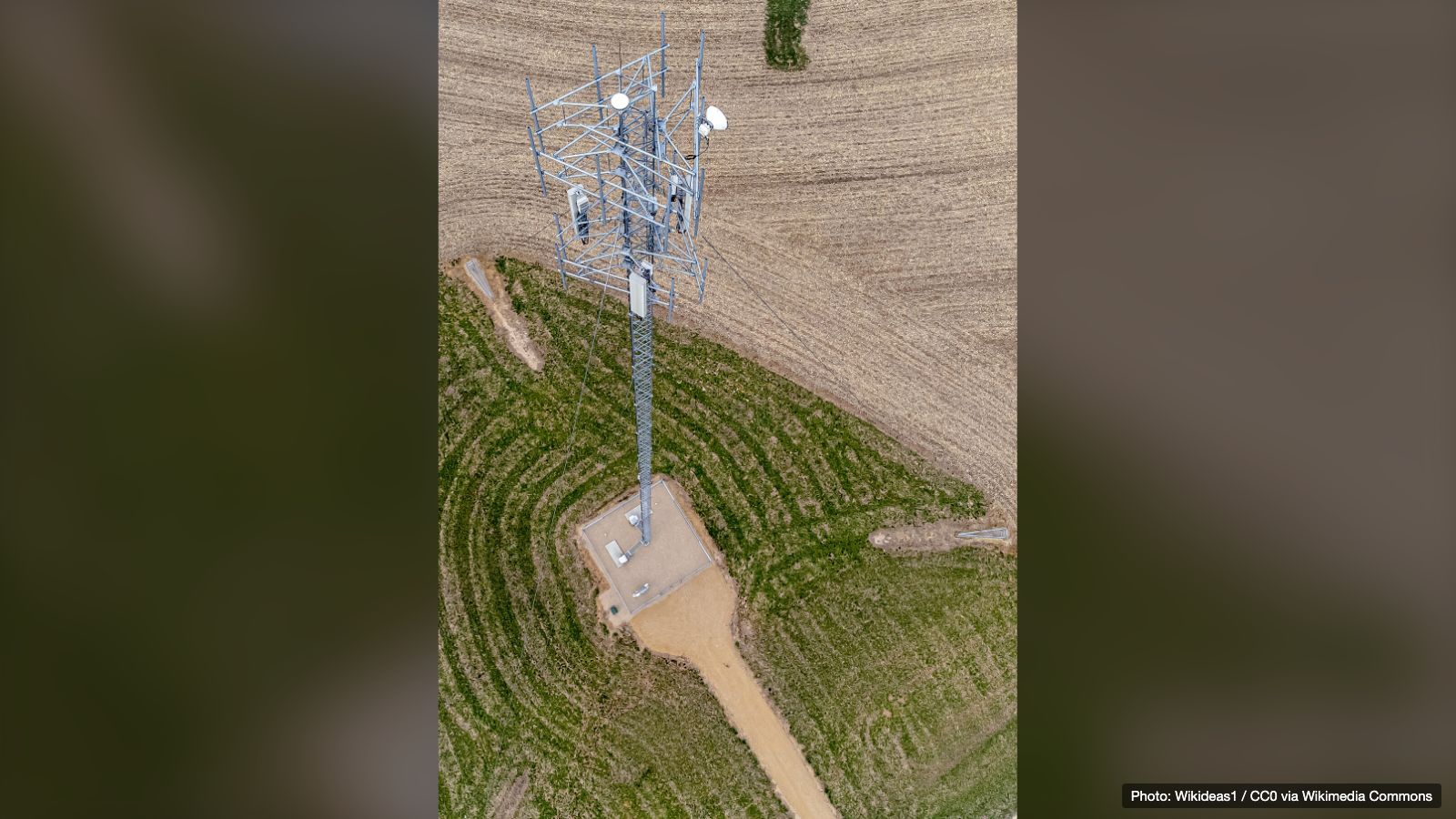
We set Jio's results for April to June 2026, as reported by Inc42, beside the regional figures in the Ericsson Mobility Report key figures and Telecom Lead's summary of the report, and the 2022 price survey reported by Eastern Mirror. Ericsson reports regions, not countries, so China sits inside North East Asia and the USA inside North America. We flag every comparison where the years or measures differ, and show our arithmetic. We did not read Jio's draft prospectus itself. The hero image is a photo of a mobile phone tower; the fallback is our chart of data per smartphone.
This story was produced, reviewed, edited and verified by the reporter before publication, with AI assistance where required.
Covered by 5 outlets across the spectrum: 0% left, 60% center, 0% right.
Who is covering this story
- Center (3): Inc42, Telecom Lead, Business Today
- Not yet rated (2): Eastern Mirror, Ericsson
Sources
- IPO-Bound Jio Platforms’ Q1 Profit Jumps 9% YoY To ₹7,764 Cr — Inc42 (center) ·
- Ericsson Mobility Report 2026: Global Mobile Data Traffic to Reach 515 EB by 2031 as India Leads Smartphone Data Consumption - TelecomLead — Telecom Lead (center) ·
- Jio Platforms IPO: Rs 2.5 lakh crore bids for anchor book, should you subscribe? - BusinessToday — Business Today (center) ·
- India among Top Five countries with cheapest mobile data pri — Eastern Mirror (not yet rated) ·
- Article from Ericsson — Ericsson (not yet rated) ·