Allahabad High Court: Varanasi verdict stayed for man eyeing 2027 BJP ticket
Published · Updated
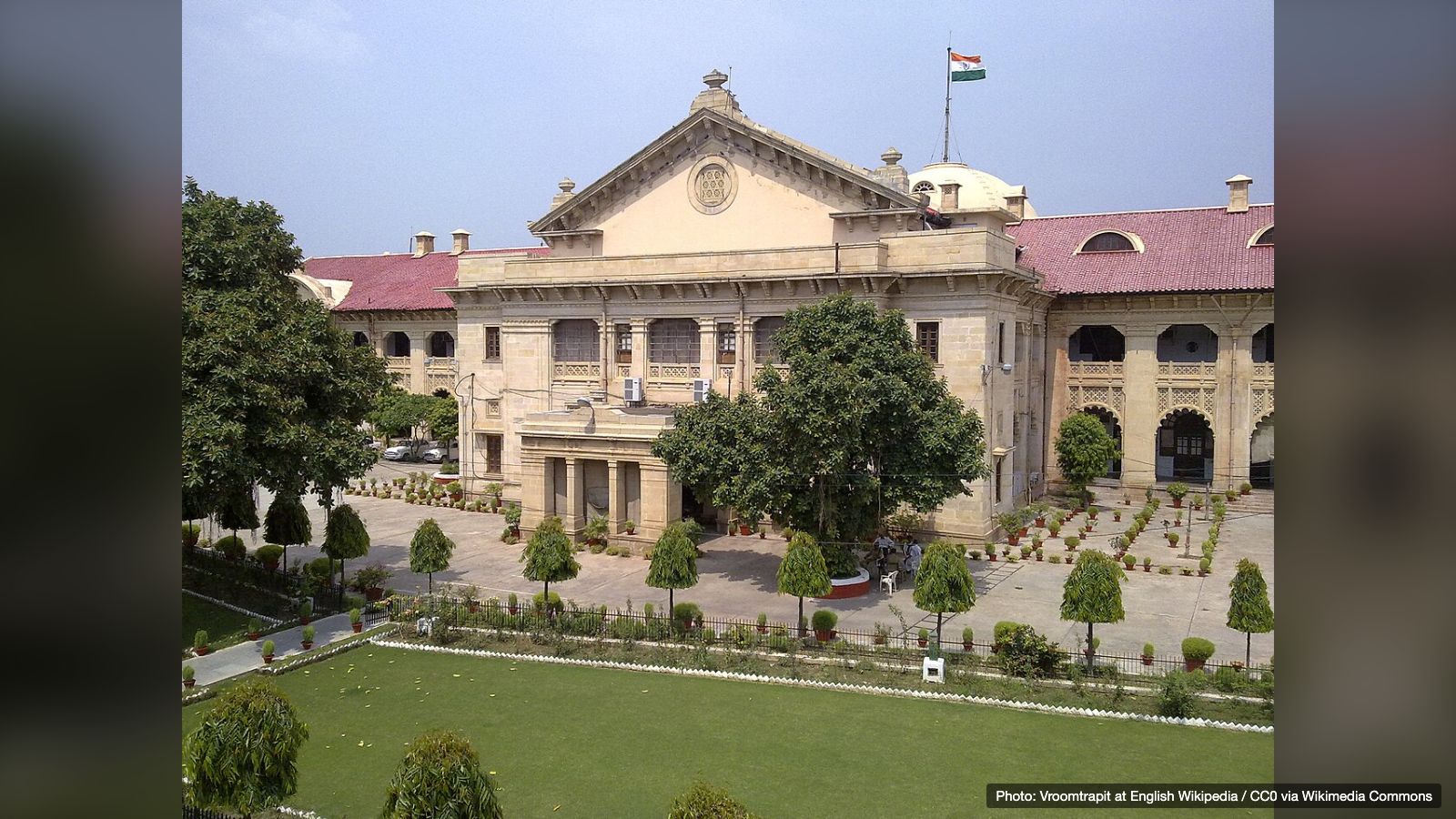
On 5 October the court suspended Nandan Lal Rai's murder conviction, not just his life sentence, pending appeal. What that means for the question people are asking, and what the order report leaves open.
Original report · Explained
Based on the Allahabad High Court's order of 5 October 2026, as reported by Bar and Bench. Checked 19 October 2026.
Can a convicted person contest an election in India? In one Uttar Pradesh case, the Allahabad High Court has now stayed the conviction itself: on 5 October 2026 it suspended the murder conviction and life sentence of Nandan Lal Rai, who says he wants to contest the 2027 assembly elections on a BJP ticket, Bar and Bench reported (Bar and Bench, 2026).
That matters because the court suspended the conviction, not only the sentence. Whether that alone clears Rai to stand in 2027 is a separate legal question, and the report we read does not answer it.
Rai was convicted of murder by a Varanasi court in April 2025. His appeal against that verdict has not yet been heard.
The court stayed the conviction, not just the jail term
The High Court suspended both the conviction and the life sentence while Rai's appeal is pending, Bar and Bench reported. In the court's words, the "conviction and sentence of appellant deserves to be stayed".
Two reasons are given in the report:
- Precedent: the court cited Supreme Court rulings that have stayed the convictions of public representatives.
- The evidence: it noted that the prosecution case rested on circumstantial evidence, and on a delayed disclosure during the investigation.
The suspension is not an acquittal. The conviction stands until the appeal is decided, and the order only pauses its effect in the meantime.
That pause is what links this case to the question people are searching.
What the order does not settle
The report of the order does not discuss the election law itself. Readers asking this question often point to Section 8 of the Representation of the People Act, 1951, and to the Supreme Court's 2013 Lily Thomas judgment. Bar and Bench's report mentions neither, and we have not yet confirmed from the statute text how either applies to Rai's case.
So three points are not yet confirmed:
- whether a suspended conviction removes any bar on Rai standing in 2027;
- whether the BJP has offered him a ticket; the claim that he is an active BJP worker is his own, as reported;
- the victim and the wider facts of the case, which the report we read does not give.
We found no second outlet's report of the order.
Who is Nandan Lal Rai?
Rai is the appellant in the case: a man convicted of murder who says he is an active BJP worker. A Varanasi court convicted him in April 2025 and sentenced him to life imprisonment, Bar and Bench reported. He told the High Court he wants to contest the 2027 Uttar Pradesh assembly elections on the party's ticket.
He has not been acquitted, and the appeal against his conviction is still to be heard.
What happens next
- Appeal hearing: pending in the Allahabad High Court; no date has been reported.
- 2027: the Uttar Pradesh assembly elections that Rai says he wants to contest.
Questions people are asking
Can a convicted person contest an election in India?
This depends on the election law, chiefly Section 8 of the Representation of the People Act, and court rulings on it. The report of the Rai order we read does not discuss them, so we have not set out how they apply here.
Can a murder convict contest if the conviction is suspended?
The Allahabad High Court suspended Rai's conviction itself, not only his sentence, on 5 October 2026. The report does not say whether that clears him to stand.
Who is the convict in the Allahabad High Court case?
Nandan Lal Rai, convicted of murder by a Varanasi court in April 2025, Bar and Bench reported.
When is the UP election?
Bar and Bench's report refers to the 2027 Uttar Pradesh assembly elections.
References
- Bar and Bench (2026) Allahabad High Court suspends conviction of murder convict who wishes to contest election on BJP ticket. Bar and Bench. Available at: Allahabad High Court suspends conviction of murder convict (Accessed: 19 October 2026).
How we did this
We read the Bar and Bench report of the Allahabad High Court's 5 October 2026 order and separated what the order did (it stayed the conviction as well as the sentence) from the legal question people are searching, which the report does not answer. We searched for a second outlet's report of the order and found none. We did not have the order itself or the text of the Representation of the People Act in front of us, so we have not stated how Section 8 or the Lily Thomas ruling applies; we will update this story when we have.
This story was produced, reviewed, edited and verified by the reporter before publication, with AI assistance where required.
Covered by 10 outlets across the spectrum: 40% left, 30% center, 30% right.
Who is covering this story
- Left-leaning (4): The New Indian Express, NDTV, The Hindu, Scroll.in
- Center (2): Bar & Bench, Deccan Herald
- Right-leaning (2): India Today, Deccan Chronicle
Sources
- Allahabad High Court suspends conviction of murder convict who wishes to contest election on BJP ticket — Bar & Bench (center) ·
- Allahabad HC stays murder convict’s life sentence to allow him to contest 2027 UP polls — Deccan Herald (center) ·
- Allahabad High Court stays murder conviction over Rai's 2027 poll plans — India Today (right-leaning) ·
- Allahabad HC stays murder convict's sentence after he expresses desire to contest 2027 UP polls — The New Indian Express (left-leaning) ·
- UP Murder Convict Wishes To Contest Polls. High Court Pauses His Conviction — NDTV (left-leaning) ·
- Allahabad High Court stays conviction of murder convict who wishes to contest 2027 U.P. polls — The Hindu (left-leaning) ·
- Allahabad HC stays conviction of 2017 murder case convict who wishes to contest 2027 UP polls — Deccan Herald (center) ·
- HC stays murder conviction of man who wants to contest Uttar Pradesh polls on BJP ticket — Scroll.in (left-leaning) ·
- Murder convict wants to fight UP polls on BJP ticket, HC pauses his sentence — India Today (right-leaning) ·
- Convicted Murderer Wants to Contest UP Polls For BJP, HC Sets Him Free — Deccan Chronicle (right-leaning) ·