UPI charges 2026: ₹300 cap hit at ₹75,000 while customers still pay nothing
Published
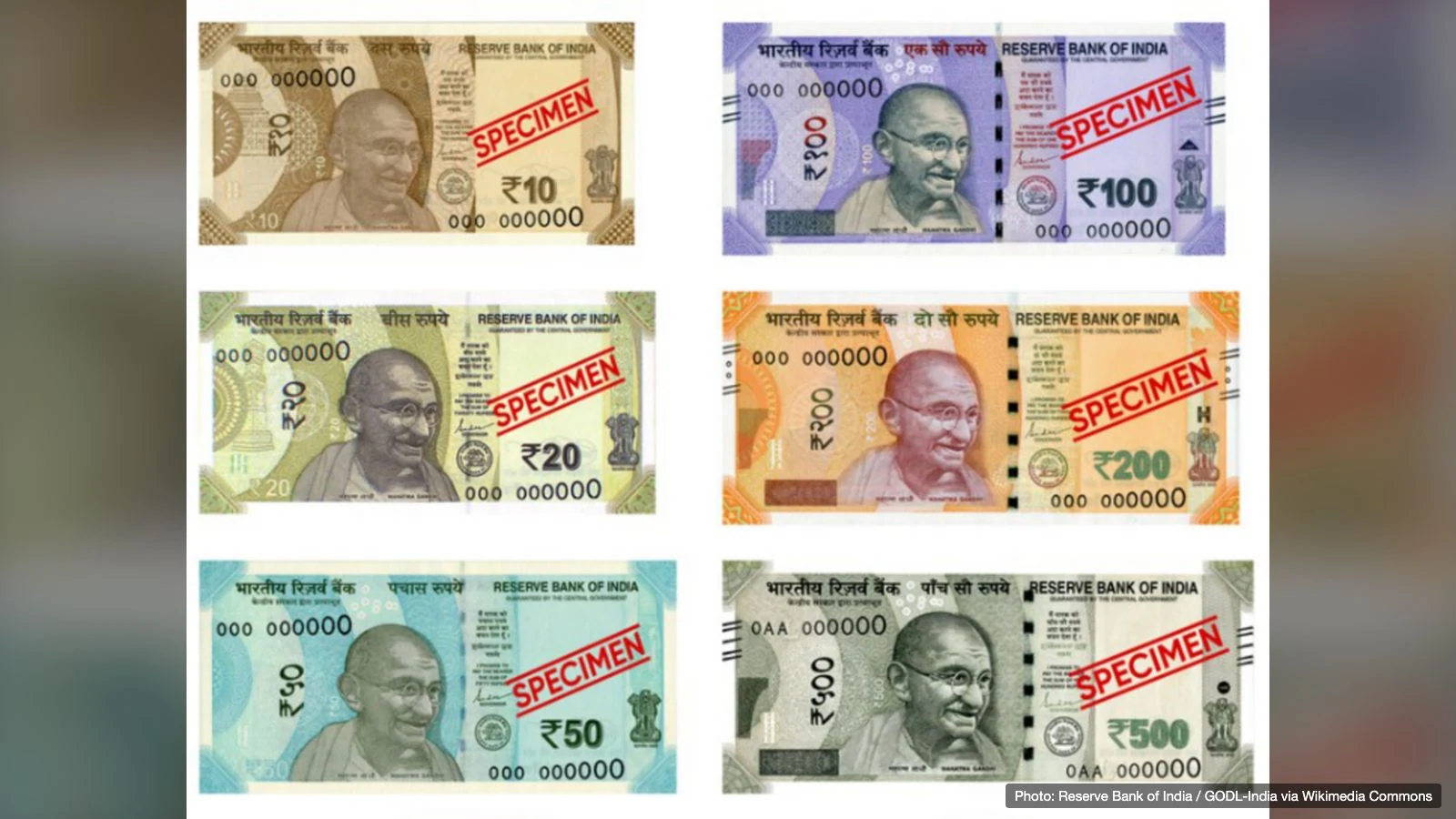
From 15 October, merchants pay 0.4% on some UPI payments above ₹2,000. We set out the full schedule, what it costs a shop in rupees, and what the reports leave open, from wallets to cash.
Original report · Explained
Fee schedule as of 18 October 2026, from the NPCI framework in force since 15 October 2026.
UPI charges in 2026 apply only to merchants: from 15 October 2026, a 0.4% merchant discount rate (MDR) applies to specified person-to-merchant UPI payments above ₹2,000, capped at ₹300, under a framework the National Payments Corporation of India (NPCI) announced on 15 September (Moneylife, 2026; Morung Express, 2026). Consumer payments stay free, Moneylife reported, so the person paying is not charged.
The change matters because UPI is how most Indians pay a shop. The new fee touches a small slice of those payments, and the open question is whether shops pass it on.
The full UPI fee schedule from 15 October
Most UPI payments still carry no fee at all. Here is the schedule as the two reports set it out:
- Person to person: free at any amount (Moneylife; Morung Express).
- Person to merchant up to ₹2,000: zero MDR (Moneylife; Morung Express).
- Small merchants, up to ₹1 lakh a month: zero MDR (Moneylife; Morung Express).
- Specified merchant payments above ₹2,000: 0.4%, capped at ₹300.
- Railways, insurance, fuel and telecom above ₹2,000: a flat ₹5 (Morung Express names all four; Moneylife the first three).
- Capital-markets payments: 0.02%, capped at ₹300 (Moneylife only).
The rate is easier to judge in rupees.
What the 0.4% costs a shop, in rupees
A ₹10,000 payment costs the merchant ₹40. That is our arithmetic on the 0.4% rate. A ₹50,000 payment costs ₹200, and the ₹300 cap is reached at ₹75,000, so a ₹1 lakh payment also costs ₹300 rather than ₹400.
The flat ₹5 for sectors such as fuel is lower than 0.4% on every payment it covers, since 0.4% of ₹2,001 is already about ₹8.
The fee is the merchant's, which raises the question shoppers care about.
Who pays: the merchant, on paper
NPCI's framework puts the fee on merchants, not customers. Moneylife reported that consumer payments stay free. NPCI said small merchants "will continue to benefit from zero MDR", Morung Express reported.
What no report we read shows is whether shops will add a surcharge at the till. About 96% of merchant transactions carry no MDR, per Moneylife, and both reports put over 95% of payments outside the fee, so most payments are untouched.
What the reports do not answer yet
Wallet and credit-card-on-UPI fees are not covered here. Neither report we read describes any change to prepaid instrument (PPI) interchange, wallet payments or credit cards on UPI, and we did not open the NPCI circular itself.
The Financial Times has said cash is making a comeback as India raises digital-payment fees. That piece is paywalled, we have not read it, and we found no cash-usage data to test the claim.
Questions people are asking
Is UPI free for customers now?
Yes. Consumer payments stay free; merchants pay on some payments above ₹2,000 from 15 October 2026 (Moneylife, 2026).
What is the new UPI charge above ₹2,000?
A 0.4% MDR capped at ₹300, or a flat ₹5 for railways, insurance, fuel and telecom, from 15 October 2026 (Moneylife, 2026; Morung Express, 2026).
Who pays the UPI MDR?
The merchant. Whether shops pass it on is not known yet (Moneylife, 2026).
Do small shops pay UPI charges?
No. Merchants with up to ₹1 lakh a month in UPI payments, and payments up to ₹2,000, stay at zero MDR (Moneylife, 2026; Morung Express, 2026).
What happens next
The framework took effect on 15 October 2026 and is already in force. The next test is whether merchants start passing the fee to customers.
This article is for information only and is not investment advice. Readers should consult a registered adviser before investing.
References
- Moneylife (2026) UPI Charges on Transactions Over ₹2000 from 15th October: What New MDR Framework Means for Consumers and Merchants. Moneylife. Available at: UPI Charges on Transactions Over ₹2000 from 15th October (Accessed: 18 October 2026).
- Morung Express (2026) NPCI reveals MDR on UPI payments above Rs 2000 from Oct 15, small merchants continue to benefit. Morung Express. Available at: NPCI reveals MDR on UPI payments above Rs 2000 from Oct 15 (Accessed: 18 October 2026).
How we did this
We read the fee schedule as reported by Moneylife and Morung Express on 18 October 2026, set the two side by side, and noted where only one reports a detail. The rupee costs are our own arithmetic on the 0.4% rate and ₹300 cap. We did not open the NPCI circular, and the FT article is paywalled.
This story was produced, reviewed, edited and verified by the reporter before publication, with AI assistance where required.
Covered by 2 outlets across the spectrum: 50% left, 50% center, 0% right.
Who is covering this story
- Left-leaning (1): Morung Express
- Center (1): Moneylife